The Canvas of the Soul: Why the Creative Mind is Uniquely Vulnerable to Addiction and Mental Health Struggles

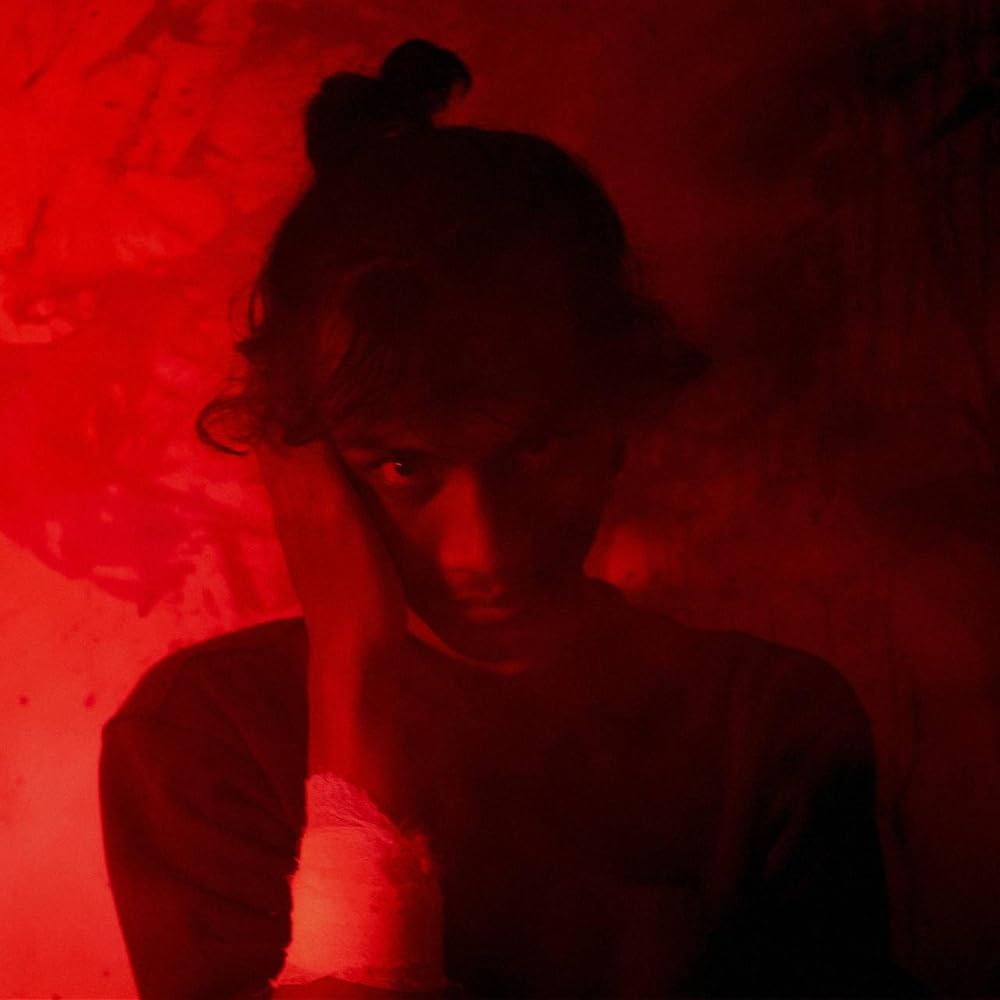
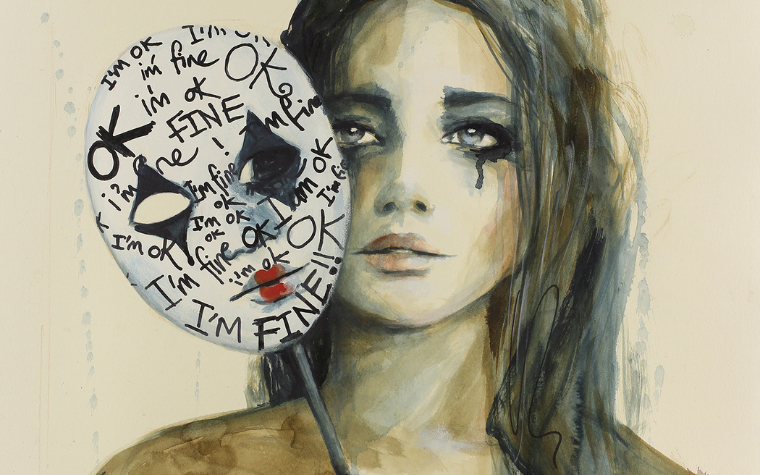
The image of the “tortured artist” is one of the most enduring archetypes in history. From the swirling intensity of Van Gogh to the soulful, tragic lyrics of modern icons, we often see a profound link between brilliant creativity and deep emotional pain. At mi-arte-es-su-arte.com, we look past the romanticized myths to address the clinical reality: artists, musicians, and creators are statistically more likely to encounter substance use disorders and mental health challenges. Understanding the unique psychology of the creative mind is not about stifling the “spark”—it is about providing the professional and compassionate support needed to ensure that your art can flourish without costing you your life.

The Neurology of the Creative Spark

Why does the “creative temperament” often coexist with addiction? Science suggests it may be rooted in how the creative brain processes the world. Creators often possess high levels of “sensory processing sensitivity,” meaning they experience emotions, colors, sounds, and social cues more intensely than the average person.

While this sensitivity allows for the creation of profound art, it can also lead to emotional exhaustion. When the world feels “too loud,” many artists turn to substances as a way to “turn down the volume.” At Mi Arte Es Su Arte, our mental health treatment focuses on honoring this sensitivity while teaching professional tools for emotional regulation, so you don’t have to self-medicate to find peace.

1. The Dopamine Loop: Creation, Applause, and the Crash

The act of creation is a biological high. Completing a painting or performing on stage releases a massive surge of dopamine. However, the creative life is often a cycle of extreme highs followed by profound lows—the “post-project depression.”

  • Seeking the Peak: When the natural high of creation fades, some artists use drugs or alcohol to recapture that feeling of “flow.”

  • Coping with Rejection: The art world is notoriously subjective and competitive. Frequent rejection can lead to a cycle of depression and anxiety that fuels addictive tendencies.

  • The “Tortured Artist” Myth: Many creators fear that professional addiction recovery will “kill their muse.” We believe the opposite: sobriety provides the clarity and stamina required for true, sustainable mastery.

2. Individualized Pathways to Healing

Because an artist’s life is rarely a 9-to-5 existence, treatment must be as flexible and unique as the individual seeking it. We offer a continuum of care designed to respect the creative lifestyle.

Inpatient Residential Care: A Sanctuary for the Senses

Sometimes, the only way to heal is to step away from the “noise” of the industry. Our inpatient programs provide a structured, compassionate sanctuary where you can undergo a professional detox and begin intensive therapy in a tranquil environment. This is a time to reconnect with your craft in a sober, safe space.

Outpatient Support: Maintaining the Rhythm

For those who are ready to reintegrate into their professional lives, our outpatient services provide a vital bridge. We offer clinical support and peer accountability that helps you navigate the triggers of the gallery, the studio, or the stage while staying grounded in your recovery.

3. Holistic and Art-Centered Therapy

At Mi Arte Es Su Arte, we believe that art itself is a powerful tool for healing. Our individualized care plans often incorporate holistic practices and expressive therapies.

By using art therapy alongside evidence-based practices like Cognitive Behavioral Therapy (CBT), we help you process trauma that might be too complex for words. We address the “Dual Diagnosis”—treating the addiction and the underlying mental health disorder simultaneously—to ensure that the root causes of your distress are healed, not just masked.

4. Reclaiming Your Voice in Sobriety

True empowerment comes when you realize that your talent belongs to you, not to the substance. Sobriety does not take away your ability to see the world in vivid detail; it gives you the strength to stand in that light and share it with others.

Through our faith-based or secular spiritual support, we help you find a sense of higher purpose. When you are no longer burdened by the “invisible weight” of addiction, your creative output becomes more authentic, consistent, and impactful.

Your Masterpiece is Still Being Written

If you are a creator struggling with the shadows of addiction or a mental health disorder, please know that you are not alone, and you do not have to be “tortured” to be talented.

At mi-arte-es-su-arte.com, we provide the professional, compassionate, and client-centered care that artists need to find their way back to health. Reach out to us today to learn more about our inpatient and outpatient programs. Let us help you protect your greatest work of art: your life.

Finding Balance: How Artists Can Protect Their Mental Health in a Demanding World

The life of an artist is often romanticized as one of inspiration, creativity, and passion. Yet behind the canvas, the stage, or the page, many artists face enormous mental and emotional pressures. Deadlines, financial instability, public scrutiny, and the constant drive for originality can take a toll on mental health. At Mi Arte Es Su Arte, we understand the unique challenges creative individuals face and provide compassionate support through addiction recovery services, mental health treatment, and holistic care designed to restore balance and well-being.


Understanding the Mental Health Challenges Artists Face

Artists are often highly sensitive individuals. Their emotional intensity allows them to create work that resonates deeply with others but can also leave them more vulnerable to anxiety, depression, and stress-related disorders. The same qualities that fuel creativity can make coping with rejection, criticism, or personal setbacks more difficult.

Pressure and Perfectionism

Many artists feel a constant need to produce flawless work. This internal pressure, combined with external expectations from audiences, clients, or employers, can exacerbate stress and lead to self-doubt. Over time, perfectionism can increase the risk of burnout and emotional exhaustion.

Financial and Career Uncertainty

Irregular income and project-based work add another layer of stress. The unpredictability of freelance or creative careers can heighten anxiety, especially when paired with personal or family responsibilities.

Isolation and Emotional Strain

Creative work often requires long periods of solitude, which can lead to feelings of loneliness or disconnection. Without supportive relationships and coping strategies, isolation can contribute to depression or reliance on unhealthy behaviors.


Healthy Strategies for Mental Health and Well-Being

While the demands of an artistic career are real, there are practical ways to safeguard mental health and maintain balance.

Structured Routines

Establishing daily routines, including dedicated time for rest, self-care, and creative work, can reduce stress and promote emotional stability. Consistency helps the mind feel grounded even during periods of high demand.

Mindfulness and Emotional Awareness

Practices such as meditation, journaling, and reflective exercises help artists stay connected to their emotions and recognize early signs of stress or anxiety. Mindfulness allows for healthier coping mechanisms rather than turning to substances or other harmful behaviors.

Support Networks

Building strong relationships with peers, mentors, or therapists provides essential emotional support. Sharing struggles with trusted individuals can reduce feelings of isolation and foster resilience.


Holistic and Faith-Based Approaches

At Mi Arte Es Su Arte, we incorporate holistic and faith-based treatments to help artists heal on multiple levels. Creative therapies, counseling, wellness practices, and spiritual guidance work together to restore balance and empower clients to manage their mental health effectively.

Personalized Treatment Plans

Whether through inpatient or outpatient care, our programs are tailored to each individual’s unique experiences, goals, and creative identity. This personalized approach ensures that mental health support integrates seamlessly with the demands of a creative life.

Recovery and Resilience

Our programs help artists not only manage mental health challenges but also build resilience for long-term success. Healthy coping strategies, emotional regulation, and self-compassion allow creative individuals to thrive without sacrificing their well-being.


Protecting the Artist Within

Maintaining mental health in a demanding world requires awareness, support, and intentional practices. Artists do not need to sacrifice their well-being for their craft. With guidance from compassionate professionals and holistic care, it is possible to find balance, sustain creativity, and live a fulfilling life.

If you or a loved one is struggling with anxiety, depression, or addiction, Mi Arte Es Su Arte is here to help. Our individualized, client-centered programs provide the tools, support, and care needed to protect mental health and reclaim stability. Take the first step today toward a healthier, more balanced creative life.

When Inspiration Hurts: The Mental Health Challenges of Life in the Arts

Life in the arts is often portrayed as exciting, expressive, and fulfilling. Yet behind the creativity that inspires audiences lies a complex emotional world many artists struggle to navigate. The pressure to create, the uncertainty of income, and the vulnerability required to produce meaningful work can take a significant toll on mental health. At Mi Arte Es Su Arte, we understand how the artistic path can heighten feelings of anxiety, depression, or isolation, and we provide compassionate support for those who need guidance, healing, and recovery.


The Emotional Weight of a Creative Life

Artists pour their inner worlds into their work, which can be both empowering and emotionally exhausting. Creative individuals often experience heightened sensitivity, deep introspection, and intense emotional cycles. While these qualities can enrich artistic expression, they can also contribute to mental health challenges, especially when stress or trauma is involved.

For many, inspiration and emotional pain become intertwined. Over time, this cycle can lead to burnout, substance use, or emotional overwhelm. Recognizing the real impact of this emotional weight is the first step toward breaking the pattern and seeking help.


The Pressures Affecting Artists Today

Constant Performance Expectations

In creative communities, there is often an unspoken expectation to always produce something extraordinary. This pressure can create feelings of inadequacy or fear of failure, which may trigger anxiety or depressive symptoms.

Financial Instability

Many artists rely on inconsistent income, freelance work, or project-based opportunities. Financial unpredictability can increase stress, making emotional stability harder to maintain.

Social Isolation

Creative work is frequently done alone, which can lead to long periods of isolation. Without a supportive community or healthy coping strategies, feelings of loneliness may escalate into deeper mental health concerns.

External Judgment

Artists regularly face critique and public evaluation. Even constructive feedback can feel personal when your work reflects your inner life. This vulnerability can make it difficult to maintain confidence or emotional resilience.


When Artists Turn to Unhealthy Coping Mechanisms

The overlapping pressures of the creative lifestyle may push some individuals toward substances or self-destructive habits. For many artists, alcohol or drugs can feel like temporary relief from stress, anxiety, or emotional pain. However, these patterns often deepen the underlying struggles instead of healing them.

At Mi Arte Es Su Arte, we offer addiction recovery services and mental health treatment that honor the unique challenges faced by creative individuals. Our approach focuses on understanding both the emotional and environmental triggers that contribute to addiction in the arts.


Healing Through Holistic and Faith-Based Support

Individualized Treatment

Every artist has a unique story and emotional landscape. Our personalized treatment plans in both inpatient and outpatient care ensure that clients receive support tailored to their needs, experiences, and creative identities.

Holistic Therapies

We integrate mindfulness, art therapy, wellness practices, and emotional processing to help clients reconnect with themselves in healthy and meaningful ways. These approaches empower artists to find balance without losing their creative spark.

Faith-Based Guidance

For those who seek spiritual grounding, faith-based support can provide comfort, meaning, and strength throughout the recovery process.


Rebuilding a Healthy Relationship with Creativity

Artists do not need to suffer to create meaningful work. With the right support, creativity can become a source of healing instead of pain. Learning healthy coping skills, building emotional resilience, and practicing self-compassion can help artists reclaim their well-being without sacrificing their passion.


You Are Not Alone, and Help Is Available

The artistic path is full of beauty, but it can also bring challenges that feel overwhelming. If you are struggling with anxiety, depression, trauma, or addiction, reaching out for help is a powerful act of strength, not weakness. At Mi Arte Es Su Arte, we are committed to providing compassionate, holistic, and personalized care that supports your journey toward healing and renewed creativity.

If you or someone you love needs support, connect with us today. Healing is possible, and you deserve a life where inspiration brings joy rather than pain.

Art as Therapy: Healing Emotional Wounds Through Creative Expression

For many, art is more than a form of self-expression—it is a pathway to healing. Creative expression has the power to unlock emotions, process trauma, and restore balance in ways traditional therapy alone may not achieve. For artists and individuals struggling with mental health challenges or addiction, art can serve as both a mirror and a release, providing insight into emotional wounds while offering a safe space to explore and transform them. At Mi Arte Es Su Arte, we recognize the unique potential of creative therapies in supporting holistic recovery and mental wellness.

The Healing Power of Creativity

Creative activities such as painting, music, writing, and sculpture allow individuals to convey complex emotions that may be difficult to articulate verbally. This form of expression not only helps reduce stress but also facilitates self-discovery and emotional regulation. Studies show that engaging in art can lower anxiety, reduce symptoms of depression, and enhance overall emotional resilience.

For artists or anyone in recovery, using creativity as a therapeutic tool can transform feelings of isolation, shame, or pain into something tangible, meaningful, and even beautiful. The act of creating provides a sense of accomplishment and a positive outlet for intense emotions.


Art Therapy in Addiction and Mental Health Recovery

Art therapy is especially valuable for those facing addiction or mental health challenges. Substances often serve as a coping mechanism for unprocessed emotional pain. By integrating creative expression into treatment, individuals learn healthier ways to manage their emotions and reduce reliance on harmful habits.

At Mi Arte Es Su Arte, our programs combine mental health treatment and addiction recovery services with creative therapies tailored to individual needs. Whether in inpatient or outpatient care, clients are guided to explore their emotions safely through structured creative exercises that complement traditional counseling and holistic healing practices.


Holistic and Faith-Based Approaches

Healing through art is most effective when paired with holistic care that addresses mind, body, and spirit. Creative therapy can be combined with mindfulness practices, physical wellness activities, and faith-based reflection to foster comprehensive emotional recovery. Faith-based support can provide purpose and hope, reinforcing resilience and encouraging a deeper sense of connection to oneself and the world.

Individualized treatment plans ensure that each client’s creative process aligns with their unique experiences and recovery goals. This approach honors the personal and emotional context behind every individual’s journey, making the therapeutic process both effective and meaningful.


Practical Benefits of Creative Expression

Engaging in art therapy offers numerous tangible benefits:

  • Emotional release: Safely expressing difficult feelings without judgment.

  • Self-awareness: Gaining insight into patterns, triggers, and personal growth.

  • Stress reduction: Lowering tension and promoting relaxation through focused creative activity.

  • Enhanced communication: Conveying emotions that might be hard to express verbally.

  • Empowerment: Building confidence and a sense of accomplishment through creative achievements.

These benefits can reinforce traditional recovery methods, supporting sustainable healing and emotional balance.


Reclaiming Emotional Well-Being Through Art

Art is more than a hobby or a career—it is a powerful tool for emotional healing. For those navigating the challenges of mental health issues or addiction, creative expression can provide clarity, release, and restoration. At Mi Arte Es Su Arte, we offer compassionate, individualized, and holistic programs that integrate art therapy with mental health and addiction treatment.

If you or a loved one is struggling, reaching out for support is the first step toward transformation. Through creative expression, therapy, and holistic care, it is possible to heal emotional wounds and rediscover hope, purpose, and balance. Embrace the journey of recovery and let your creativity guide the way to lasting well-being.

The Silent Struggle: Understanding Depression and Anxiety in Creative Minds

Creativity is often seen as a gift, a spark that allows artists, musicians, and writers to transform emotion into something beautiful. Yet for many, that same gift comes with a heavy burden. Behind the masterpieces and performances, countless creative minds battle unseen struggles with depression and anxiety. The emotional depth that fuels their art can also make them more vulnerable to mental distress. At Mi Arte Es Su Arte, we believe that healing the creative mind begins with compassion, understanding, and holistic care that honors both artistic spirit and emotional well-being.


The Hidden Connection Between Creativity and Mental Health

Many artists describe their creativity as a double-edged sword. On one hand, it allows them to feel deeply and connect with the world in unique ways. On the other, that emotional intensity can make them more sensitive to pain, rejection, and internal pressure. Studies show that creative individuals are more likely to experience symptoms of depression and anxiety compared to the general population.

The reason is complex. The constant pursuit of perfection, irregular work schedules, and fear of failure can take a toll on mental stability. Artists often use their work as a way to process pain, but when that process becomes overwhelming, emotional exhaustion and self-doubt can follow. Understanding this connection is the first step toward breaking the cycle of silent suffering.


When Inspiration Turns Into Isolation

Creative work can be deeply fulfilling, but it can also be isolating. Many artists spend long hours alone, lost in thought or immersed in their projects. While solitude can be essential for creativity, too much of it can feed anxiety and depression. When left unaddressed, these emotions can lead to unhealthy coping habits, including substance use or addiction.

At Mi Arte Es Su Arte, we recognize how easily creative passion can blur with emotional pain. Our mental health and addiction recovery programs are designed to help artists rebuild balance through personalized, holistic care. Whether through inpatient or outpatient treatment, clients receive the tools and support they need to recover without losing their creative voice.


The Role of Holistic and Faith-Based Healing

True healing requires more than symptom management. That is why our programs go beyond traditional therapy to embrace a holistic approach that nurtures the mind, body, and spirit. Through practices like mindfulness, art therapy, and faith-based reflection, clients can reconnect with their inner peace while rediscovering the joy of self-expression.

Faith can also play a vital role in recovery. Many artists find comfort and grounding in spiritual connection, which provides hope and meaning beyond the pain. Our team helps clients integrate faith-based principles into their recovery journey in a way that respects their individuality and creative identity.


Recognizing the Signs and Seeking Help

Depression and anxiety can manifest in subtle ways—fatigue, irritability, loss of motivation, or changes in sleep and appetite. For creative individuals, these symptoms may appear as creative block, self-criticism, or withdrawal from others. Recognizing these signs early can make a profound difference in recovery.

Reaching out for help is not a sign of weakness but of strength. The same courage it takes to share your art with the world can be used to take the first step toward healing. At Mi Arte Es Su Arte, we offer a safe, supportive environment where artists can learn healthy coping skills, rediscover their purpose, and create from a place of wholeness.


Healing the Artist Within

Every artist deserves the chance to heal without losing their creative spark. Depression and anxiety may shape how you see the world, but they do not have to define your story. With the right care, support, and guidance, it is possible to find harmony between creativity and emotional wellness.

If you or someone you love is struggling with depression, anxiety, or addiction, Mi Arte Es Su Arte is here to help. Our compassionate team provides individualized treatment that blends clinical excellence with holistic and faith-based approaches to healing.

Your art can still inspire the world—but first, you must take care of the artist behind it. Reach out today to begin your journey toward balance, recovery, and renewed creativity.

Beyond the Canvas: How Artists Can Prioritize Mental Health and Recovery

The world often celebrates artists for their passion, vision, and emotional depth. But behind the beauty they create, many artists face silent battles with anxiety, depression, and addiction. The same sensitivity that fuels creativity can also make it difficult to cope with stress, rejection, and the pressures of success. For those in the artistic community, learning to care for mental and emotional health is not a luxury—it is essential to sustain both creativity and life itself.

At Mi Arte Es Su Arte, we understand that artists experience life in vivid color. That emotional intensity, while a gift, can also be overwhelming. Through holistic and faith-based treatment programs, our approach helps artists reconnect with their purpose while finding peace and stability beyond the struggles of mental illness and substance use.


Understanding the Link Between Art and Mental Health

Artists often draw from deep emotional experiences to create meaningful work. This vulnerability can open the door to profound connection with others, but it can also lead to burnout and despair when left unbalanced. Studies show that creative individuals are more likely to experience mood disorders and substance misuse than the general population. The drive to express pain through art can become a coping mechanism, but it does not always address the underlying emotional wounds.

Acknowledging the connection between creativity and mental health is the first step toward healing. Artists must recognize that caring for the mind is as vital as nurturing the creative spirit.


The Hidden Struggles Behind Creative Success

Life as an artist often involves uncertainty. Irregular income, self-criticism, and public scrutiny can amplify stress. Some turn to drugs or alcohol as a way to manage anxiety or spark inspiration, only to find themselves trapped in dependency. Others may experience isolation, fearing that admitting to mental health struggles could damage their reputation or career.

At Mi Arte Es Su Arte, we believe no artist should suffer in silence. Our addiction recovery and mental health treatment programs are designed to meet individuals where they are, offering both inpatient and outpatient options that provide structure, guidance, and support. Through therapy, mindfulness, and spiritual care, artists can rediscover stability without losing their creative essence.


Healing Through Holistic and Faith-Based Care

Healing from addiction or emotional pain requires more than traditional therapy alone. Our holistic approach integrates medical treatment, spiritual renewal, and creative expression. By addressing the mind, body, and spirit, artists can begin to rebuild their lives with purpose and clarity.

Whether it is through art therapy, group counseling, or personalized wellness plans, our programs encourage clients to explore new forms of expression that promote emotional release and personal growth. Faith-based principles offer an additional layer of support, reminding artists that healing is not about perfection but about connection, forgiveness, and self-compassion.


Reclaiming Creativity Through Recovery

Recovery does not mean losing creativity—it often deepens it. When the mind is clear and the heart is grounded, art becomes more authentic and powerful. Artists who engage in recovery often find renewed inspiration that comes not from chaos but from peace. By embracing mental health care, they reclaim not only their craft but also their lives.


Taking the First Step Toward Healing

If you or someone you love is an artist struggling with addiction, depression, or anxiety, help is available. At Mi Arte Es Su Arte, we offer compassionate, individualized treatment that honors both your creative spirit and your need for healing. Every journey begins with a single step, and choosing to seek help could be the most important one you ever take.

Reach out today to learn how you can begin your recovery journey and rediscover the joy of creating from a place of peace, balance, and hope.

Haunted by Genius: The Psychological Shadows Behind Great Art

Art has the extraordinary power to capture the depth of human experience, to move audiences, and to inspire change. Yet behind the brilliance of many artistic works lies a less visible story. Many artists face profound psychological challenges that influence both their creativity and their well-being. Anxiety, depression, trauma, and addiction often accompany the lives of highly creative individuals, casting shadows over the very genius that brings their work to life. Understanding these psychological struggles is essential to providing compassionate support and effective recovery options.

The Emotional Intensity of the Artistic Mind

Artists often experience emotions more deeply than the general population. This emotional intensity fuels originality and allows creatives to connect authentically with their audience. However, heightened sensitivity can also increase vulnerability to stress, mood disorders, and emotional burnout. Without proper coping mechanisms, these challenges can escalate, affecting both personal life and creative output.

Pressure to Perform and External Expectations

External pressures further compound mental health challenges. Deadlines, public reception, financial instability, and the constant drive for originality can create chronic stress. Perfectionism is common among artists, who may feel their work is never adequate. This relentless pressure often contributes to anxiety, depression, and, in some cases, substance misuse as a way to manage overwhelming emotions.

The Role of Isolation

While solitude is often necessary for focused creative work, prolonged isolation can increase feelings of loneliness and disconnect. Many artists spend long hours alone in studios or rehearsal spaces, which can exacerbate emotional struggles and create a higher risk of addiction. The absence of strong support networks often allows destructive habits to develop unnoticed.

Addiction as a Coping Mechanism

For some artists, drugs or alcohol may seem to offer temporary relief from stress or emotional pain. Substances may also appear to enhance creativity or provide confidence during performance. Yet reliance on these coping mechanisms often leads to dependency, which undermines both mental health and creative capacity. Addiction can trap artists in a cycle of emotional instability, isolation, and professional difficulties.

Recognizing the Need for Help

Early recognition of mental health or addiction challenges is critical. Changes in behavior, withdrawal from social support, or increasing substance use are signs that intervention may be needed. Seeking help is not a weakness but a courageous step toward reclaiming balance and creative vitality.

Holistic and Individualized Approaches to Recovery

Healing for artists requires comprehensive, individualized care that addresses the mind, body, and spirit. Holistic treatment combines counseling, creative therapies, wellness practices, and faith-based support to help artists process emotions safely and rebuild resilience. Inpatient programs provide intensive, structured support for those in deep crisis, while outpatient programs allow flexibility for ongoing creative or professional engagement.

Reconnecting with Creativity

Recovery is not about suppressing creativity but about restoring the emotional stability that allows true artistic expression. By addressing addiction and mental health challenges with compassion and professional guidance, artists can reclaim their creative voice and find sustainable inspiration.

Moving from Shadows to Strength

The psychological shadows behind great art need not define the lives of creatives. With the right support, emotional resilience, and individualized care, artists can heal from addiction, overcome mental health challenges, and continue producing work that is authentic and powerful. If you or a loved one is struggling with addiction or mental health issues, reaching out for help is the first step toward a healthier, more fulfilling creative life. Professional guidance can transform vulnerability into strength, ensuring that genius flourishes without the cost of suffering.

From Studio to Struggle: Why So Many Artists Suffer in Silence

Artistic expression has the power to move, inspire, and transform. For artists, the studio or workspace is often a sanctuary, a place to explore emotions, ideas, and imagination. Yet behind this creative space, many artists grapple with deep struggles in silence. Mental health challenges, addiction, and emotional vulnerability often remain hidden, even as their work captivates audiences. Understanding why so many artists suffer quietly is essential for fostering a culture of support and recovery.

The Hidden Vulnerability of Artists

Artists are frequently highly sensitive individuals. Their ability to experience and process emotions deeply fuels their creative work but can also make them more susceptible to anxiety, depression, and stress. The same sensitivity that allows for authentic expression can also intensify feelings of self-doubt and isolation.

The Weight of Perfectionism

In addition to emotional sensitivity, artists face pressures to perform and produce consistently. Deadlines, public expectations, and financial concerns can create relentless stress. Many artists struggle with perfectionism, feeling that their work is never quite enough. Over time, this pressure can exacerbate mental health challenges and increase vulnerability to substance use as a form of relief.

Isolation and Loneliness

While creativity often requires solitude, prolonged isolation can be damaging. Hours spent alone in studios or rehearsal spaces can lead to feelings of loneliness and disconnect from supportive networks. Without guidance or community, artists may turn to unhealthy coping mechanisms, including alcohol, drugs, or other addictive behaviors, which can intensify emotional pain and disrupt creative potential.

Addiction in the Artistic Community

Substance use can sometimes appear to offer temporary relief from emotional stress or spark inspiration. Unfortunately, reliance on drugs or alcohol often evolves into dependency, creating a cycle that harms both mental health and artistic expression. Addiction not only affects productivity and relationships but also deepens feelings of isolation, shame, and despair.

Recognizing the Need for Help

It is essential for artists and those around them to recognize the signs of struggle early. Changes in behavior, withdrawal from social connections, or increased reliance on substances can indicate that intervention or support is needed. Acknowledging these challenges is the first step toward recovery and a healthier, more sustainable creative life.

Healing Through Holistic and Individualized Care

Recovery for artists requires comprehensive support that addresses both mental health and addiction. Holistic programs integrate counseling, creative therapies, physical wellness practices, and faith-based support to nurture the mind, body, and spirit. Individualized care ensures that each artist’s unique experiences, creative outlets, and personal goals are central to their treatment plan.

Inpatient and Outpatient Options

Inpatient programs offer structured environments for intensive healing, providing safety and focus for those struggling deeply. Outpatient programs allow flexibility for artists who wish to continue creative or professional work while engaging in ongoing therapy and support. Both approaches prioritize emotional well-being, coping skills, and the safe integration of creativity into recovery.

Reclaiming Life and Creativity

Recovery is not just about overcoming addiction—it is about restoring balance, resilience, and purpose. Artists who seek support can rediscover their creative voice in a way that is sustainable and fulfilling. By addressing mental health challenges and addiction with compassion and professional guidance, creatives can transform their struggles into growth and continue producing work that is meaningful both to themselves and others.

Reaching Out Is the First Step

The journey from the studio to struggle does not have to be walked alone. If you or a loved one is facing addiction, anxiety, or depression, help is available. Compassionate, individualized, and holistic care can provide the support needed to reclaim health, creativity, and joy. Taking the first step toward recovery can lead to a stronger, more resilient, and empowered artistic life.

The Creative Mind Unraveled: Exploring Addiction in the Artistic Psyche

Artists are often admired for their ability to transform emotion into expression, creating work that moves, inspires, and challenges audiences. However, the very qualities that drive creativity—sensitivity, intensity, and deep emotional awareness—can also make artists particularly vulnerable to mental health struggles and addiction. Understanding the complex relationship between creativity and addiction is essential for supporting artists in maintaining both their well-being and their creative potential.

Why Artists Are More Vulnerable

The creative process often demands a high degree of emotional involvement. Artists experience feelings more intensely, process experiences deeply, and are frequently introspective. While these traits enable profound artistic expression, they can also leave individuals susceptible to stress, anxiety, depression, and substance use disorders.

The Pressure to Produce

In addition to internal emotional intensity, external pressures contribute to the vulnerability of artists. Deadlines, public expectations, and financial instability can create a continuous state of stress. For many creatives, the need to constantly produce original work can lead to burnout. In this context, substances may seem like a temporary solution for coping with pressure or fueling creativity.

Isolation and Emotional Strain

Creative work often requires solitude, but prolonged isolation can exacerbate mental health challenges. Time spent alone in studios, rehearsal spaces, or writing rooms may contribute to loneliness and make unhealthy coping mechanisms, including addiction, more likely. Emotional strain, when left unaddressed, can escalate and interfere with both personal life and professional output.

Addiction as a Coping Mechanism

Some artists turn to drugs, alcohol, or other addictive behaviors to manage the emotional intensity of their lives. Initially, substances may appear to ease anxiety, spark inspiration, or numb pain. However, reliance on substances often leads to dependency, worsening mental health, and a disruption in the creative process. The cycle of addiction can leave artists feeling trapped, isolated, and disconnected from the very art that once inspired them.

Breaking the Cycle Through Professional Support

Recovery begins with compassionate, individualized care. At Mi Arte Es Su Arte, treatment combines addiction recovery services with mental health support, offering both inpatient and outpatient programs. Inpatient care provides a structured environment for intensive recovery, while outpatient care allows for ongoing support while continuing creative pursuits. Programs are tailored to each individual, addressing personal challenges and fostering emotional resilience.

Holistic and Faith-Based Approaches

Holistic treatment integrates mind, body, and spirit into the recovery process. Creative therapies, mindfulness practices, and faith-based support empower artists to process emotions safely, restore balance, and rebuild a meaningful relationship with their art. This comprehensive approach helps individuals not only overcome addiction but also reconnect with their creativity in healthier ways.

Reclaiming Creativity Through Recovery

True recovery is about more than abstinence. It is about rebuilding emotional strength, developing healthy coping mechanisms, and rediscovering joy in the creative process. By addressing both mental health and addiction, artists can reclaim their creative voice and pursue their work with clarity and purpose.

Taking the Next Step

The creative mind does not have to unravel under the weight of addiction. With the right support, sensitivity and passion can become tools for healing rather than sources of struggle. If you or someone you love is struggling with addiction or mental health challenges, reaching out for help is the first step toward recovery. Compassionate, individualized care can help artists heal, thrive, and continue creating with purpose and resilience.

Beauty Born of Pain? Rethinking the Link Between Art and Mental Illness

For centuries, society has romanticized the image of the tortured artist. From poets to painters, many have believed that suffering is the price of creative brilliance. While it is true that artists often draw from deep emotions, the idea that mental illness or addiction is necessary for creativity is a harmful myth. In reality, the struggle with mental health can diminish creativity and place artists at greater risk of despair and dependency. It is time to rethink this connection and explore healthier paths for artistic expression.

The Myth of the Tortured Artist

The notion that pain produces better art has been celebrated in books, films, and cultural narratives. Yet this belief often overlooks the reality of suffering. Depression, anxiety, and addiction can drain energy, impair focus, and strip away the joy of creation. Rather than fueling inspiration, untreated mental illness frequently silences voices and prevents artists from reaching their full potential.

The Emotional Sensitivity of Artists

Many artists possess a heightened sensitivity to the world around them. This sensitivity allows them to capture beauty and emotion with depth and authenticity. However, it also makes them more vulnerable to stress, trauma, and emotional pain. Without healthy coping strategies, these feelings can lead to self-destructive behaviors, including substance abuse.

Addiction as a False Solution

In the pursuit of relief, some artists turn to drugs or alcohol as a way to manage overwhelming emotions or escape pressure. At first, substances may seem to quiet anxiety or ignite inspiration, but over time they erode mental health and disrupt creativity. Addiction creates a cycle of dependency that leaves little room for authentic artistic expression.

Breaking the Cycle Through Healing

The good news is that artists do not need to suffer in order to create. Recovery and mental health treatment can provide tools to manage emotions while preserving creativity. Healing offers artists the ability to channel sensitivity into meaningful work without being weighed down by the destructive effects of addiction.

Inpatient and Outpatient Care

Professional treatment, whether inpatient or outpatient, provides structured support for those facing addiction and mental illness. Inpatient care gives individuals a safe and focused environment to begin their journey, while outpatient care offers flexibility for those who need to balance recovery with their artistic pursuits.

Holistic and Faith-Based Approaches

A truly effective recovery program recognizes the whole person. Holistic care integrates physical, emotional, and spiritual healing, often combining counseling, creative therapies, and wellness practices. For those seeking spiritual grounding, faith-based programs can help reconnect purpose and strengthen resilience. This individualized care empowers artists to find balance and rediscover joy in their craft.

Redefining the Narrative

The time has come to move beyond the glorification of suffering. True creativity does not require pain but flourishes in environments of balance, support, and freedom. By encouraging artists to seek help and embrace holistic healing, we can replace the myth of the tortured artist with the reality of the thriving artist.

Choosing Healing Over Harm

The link between art and mental illness is not destiny. While emotional depth may inspire powerful work, untreated mental health struggles and addiction are not prerequisites for creativity. Healing allows artists to reclaim their voices, rebuild their lives, and continue creating with clarity and strength. If you or someone you love is facing these challenges, know that support is available. Reaching out for help is not the end of creativity. It is the beginning of a healthier and more fulfilling chapter.